

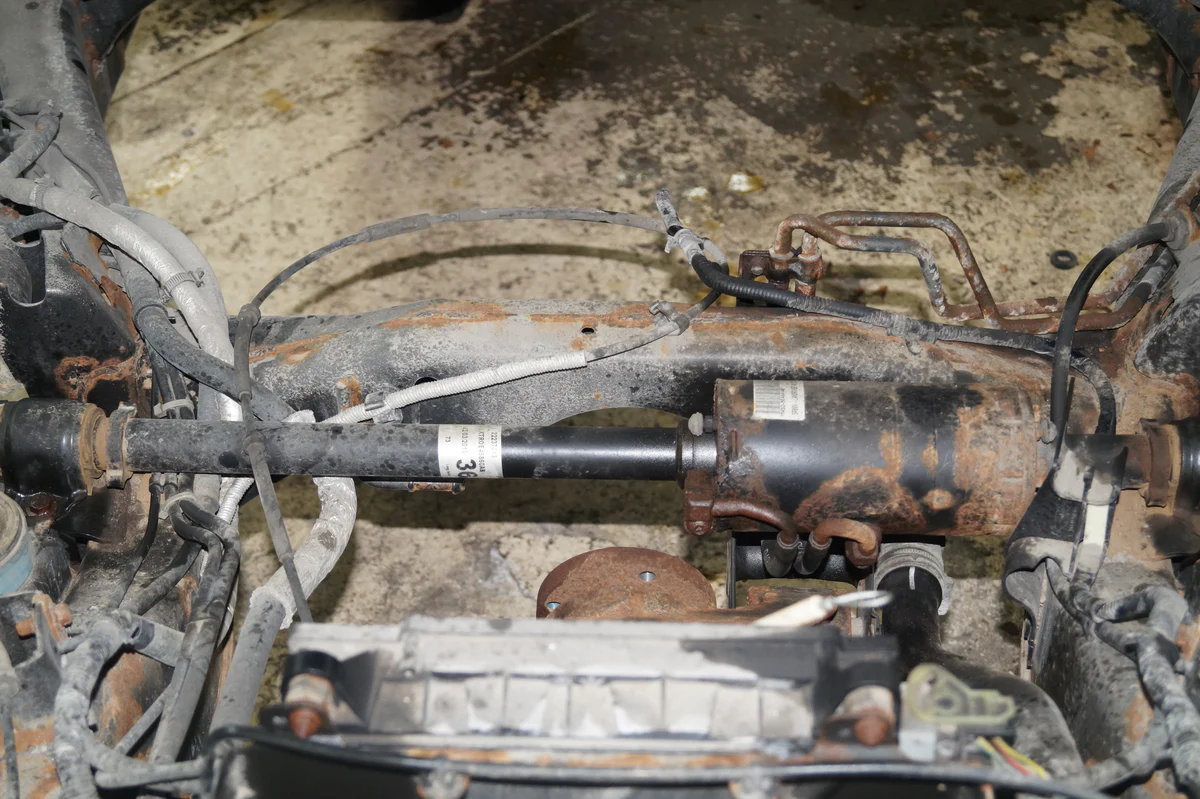
Today, modern cars are packed with advanced technology developed to make driving safer, more comfortable, and better performing. Active cornering enhancement is a high-tech addition that noticeably steadies vehicles while going around corners. Active cornering improvement keep the drivers more in control and confident when face with sharp bends on mountain roads, or with such maneuvering through city streets.
As automotive manufacturers increasingly emphasize safety and performance, active cornering optimization has emerged as a key component of many premium and high-performance vehicles. The key here is the ability to lessen body roll, making sure that traction remains and holds the car in balance while cornering. We will learn how active cornering enhancement functions, its advantages; parts involved, and what part it plays in the future of the automotive industry.
How Active Cornering Enhancement Works
Active cornering enhancement is carried out using a series of sensors, control units and either hydraulic or electronic actuators.
Monitoring Vehicle Movement
Sensors constantly measure such things as:
Steering angle
Vehicle speed
Lateral acceleration
Wheel position
Body movement
These sensors give real-time data for the vehicle’s electronic control unit (ECU).
Data Processing
The sensors send the information to the ECU, and then the ECU or electronic control unit analyzes it. As such, when the system senses that the vehicle is negotiating a turn, it calculates an anticipated degree of body lean.
Suspension Adjustment
Based on the ECU calculations, hydraulic or electronic actuators apply corrective force to these components. These tweaks help keep the body level and the weight of the car from moving side to side.
Enhanced Stability
This helps create a more even, level cornering experience. It allows drivers more control and passengers a more comfortable ride with less lateral movement.
Active Cornering Enhancement — Key Components
Active cornering enhancement involves several components working together.
Sensors
Sensors collect information about vehicle motion and driving conditions. The system cannot work without accurate data from the sensors.
Electronic Control Unit (ECU)
This ECU functions similarly to the brain of the system. It receives data from the sensors and calculates what changes must be done to achieve maximum stability
Hydraulic Actuators
Hydraulic actuators are making the force to adjust suspension characteristics and counter body roll in many systems.
Stabilizer Bars
For example, active stabilizer bars use hydraulic or electric mechanisms to limit how far a vehicle leans over in a turn.
Power Supply System
A stable and continuous power supply is essential for proper functioning of sensors, controllers, actuators etc.
Benefits of Active Cornering Enhancement
Improved Vehicle Stability
The big plus of active cornering enhancement is a gain in stability. The system minimizes body roll, allowing for contact with the road surface at a constant pace.
Better Handling
Drivers typically note a more precise and nimble steering response. You know where the car is going, and it will go there.
Enhanced Passenger Comfort
Turns induce less side-to-side motion for passengers, which results in a more comfortable journey, especially on twisty roads.
Increased Safety
Better stability will obviously lower the tendency of loss of control in case of sudden maneuvers or emergency situations. This adds up to the safety of the vehicle overall.
Improved Tire Performance
Even tire contact with the road spreads equal force across all four tires, leading to potentially less uneven wear.
Active Cornering Enhancement — Adaptive/Variable Suspension System
Conventional suspension systems are designed to compromise ride comfort with handling. But they are constrained because they cannot adapt themselves to changing driving conditions instantly.
Traditional Suspension
Fixed mechanical design
Limited adaptability
More body roll during cornering
Lower system complexity
Active Cornering Enhancement
Real-time adjustments
Reduced body roll
Improved handling and comfort
Advanced electronic control
Although conventional systems still work for a lot of vehicles, active cornering absorbers offer an even greater solution specifically in extremely demanding driving scenarios.
Applications in Modern Vehicles
Active cornering enhancement is utilized in many sports cars, premium sedans and luxury SUVs. Such applications frequently struggle with weight distribution and high-performance driving challenges.
ACE is especially beneficial for larger-higher SUV’s with a higher center of gravity which are more susceptible to Body Roll. The system thus allows these vehicles to feel more stable and agile by actively managing suspension behavior.
Active cornering enhancement is combined to sharpen response and outperform in corners – delivering its most extreme performance on both roads & racetracks.
Challenges and Limitations
However, active cornering enhancement also isn’t without challenges.
Higher Cost
Manufacturing costs rise due to the advanced sensors, control units and hydraulic components. As a result, it is generally restricted to luxury vehicles.
Maintenance Requirements
Due to the complexity of its electronic and hydraulics components, repairs and maintenance often cost more than conventional suspension systems.
Increased Complexity
More parts: More things to go wrong, which increases both the cost and time needed for repairs & diagnostics if there’s a problem.
Weight Considerations
A demerit of certain active systems is the added weight to the vehicle, but OEMs constantly strive to keep this as low as possible by utilizing more lightweight materials and improved designs.
Future of Active Cornering Enhancement
Active cornering enhancement also looks set for a bright future as the automotive technology matures.
Integration with Autonomous Vehicles
Self-driving cars need to be so stable and accurate. Edge cornering improvement can be a key factor for ensuring seamless and safe autonomous driving.
Electric Vehicle Compatibility
Battery placement also makes EVs often have more unique weight distributions. ACE systems are the key enabler for optimizing handling and ride quality in these vehicles.
Artificial Intelligence Integration
Eventually the master controller could harness artificial intelligence, predicting how a driver might behave or measure what kind of terrain is out ahead so the suspension would adapt even more rapidly and accurately.
Lightweight Components
Developments in materials science are expected to lead to lighter, yet still performing and reliable systems.
Conclusion
Active cornering enhancement is an important step forward in automotive suspension technology. It actively reduces body roll, thereby increasing the stability of the vehicle, delivering better handling and increased safety all while improving passenger comfort. By employing sensors, electronic control units and hydraulic or electronic actuators, the system anticipates changing driving conditions in real time.
With continued progress in vehicle tech and rising consumer expectations, active cornering boost will likely become more common across many segments of the market. WHAT YOU NEED TO KNOW: This technology will bring the future to safer, more enjoyable driving in everything from luxury SUVs and sports cars to electric vehicles and autonomous transportation systems of tomorrow.
You only have {humanizer} Humanizer words left. Upgrade your Surfer plan.